Review : Saga of Tanya the Evil II Episode 4 | 8.7 ⭐
A Victory Built on More Sacrifice
This episode made me enjoy a military victory and regret it almost immediately. What impressed me most was not simply the reversal, but how the episode keeps laying emotional and political weight beneath that success until it can no longer feel clean.
DIRECTION: 9/10
The episode keeps victory uneasy long before the final meeting. Rudersdorf begins the morning surrounded by maps and reports, unable to go home while his family is still grieving a death caused by the war. Even after Operation Iron Hammer succeeds, his celebration never feels clean. The restrained expressions, the empty pauses around him and the cold room waiting at the end make the triumph feel heavier each time it is acknowledged.
The final meeting is where the staging becomes exceptional for me. The wide, rigid compositions initially make the officials look united, then the closer angles isolate Rudersdorf as every answer is turned against him. When the carpet beneath them becomes blood, I no longer feel as if I am watching a policy dispute. I feel the dead entering the room. The earlier planning scenes rely on static exchanges around maps, and I felt the momentum dip there, but that contrast also makes the final sequence hit harder.
PRODUCTION: 8/10
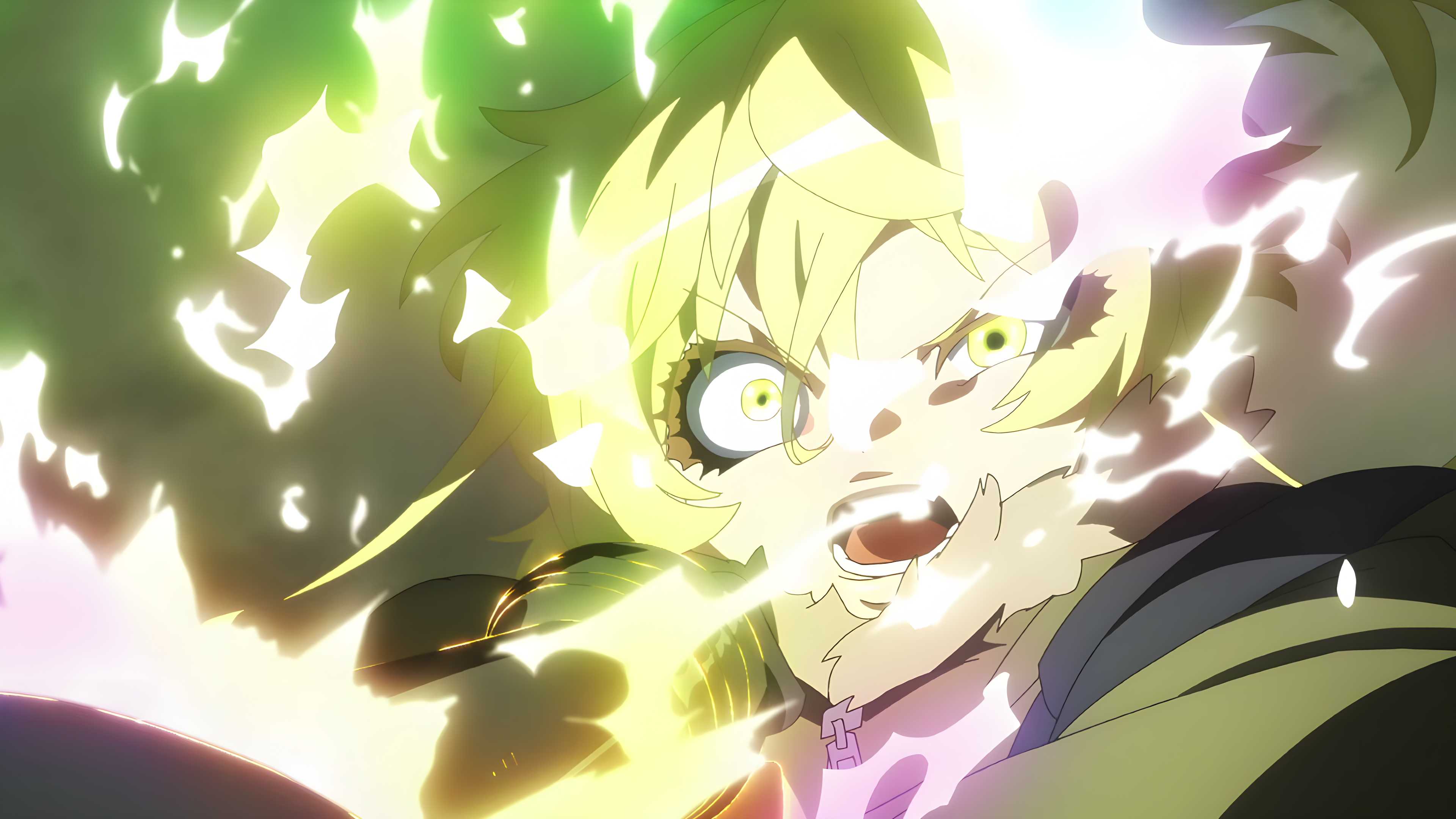
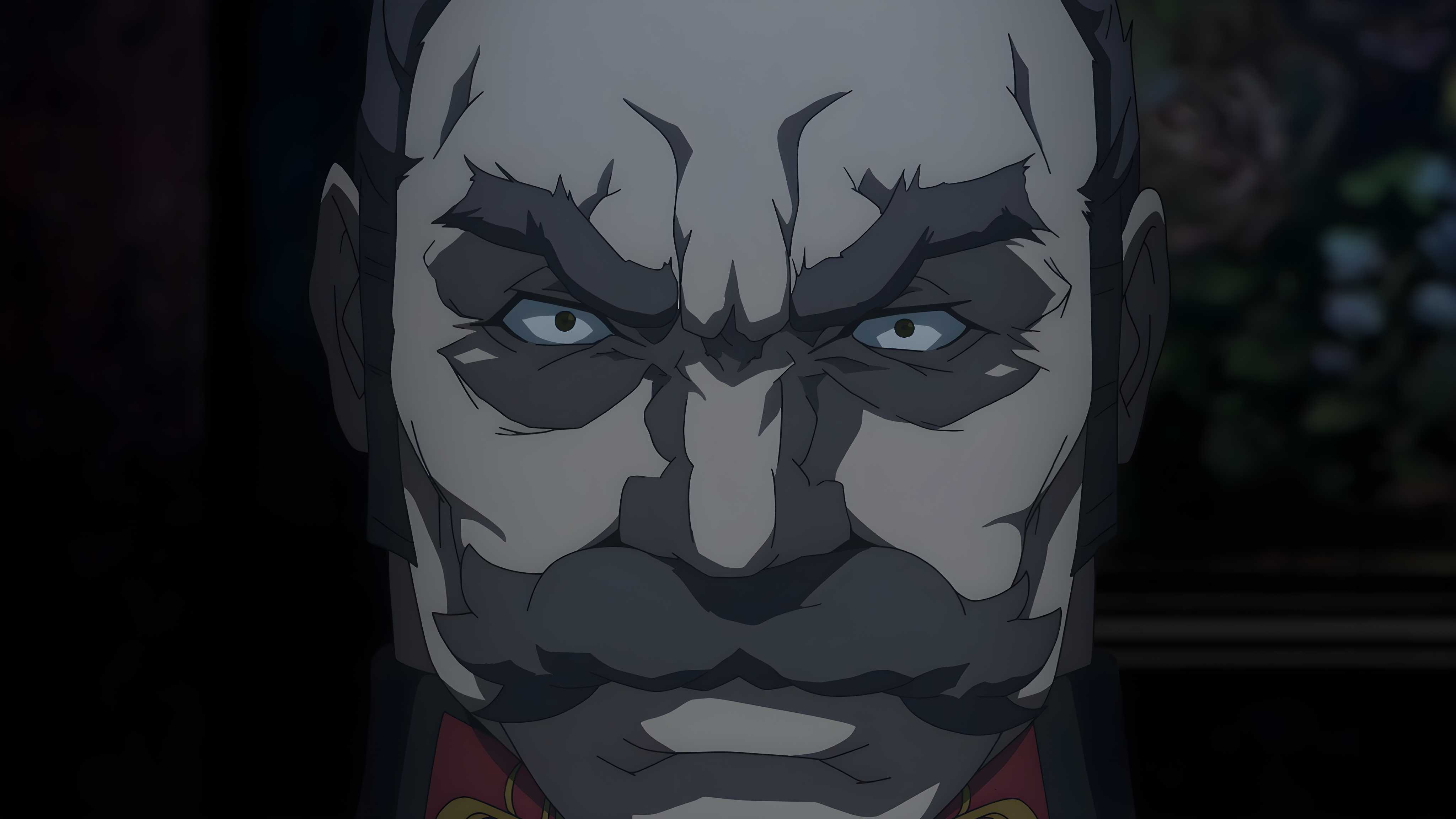
Facial acting gives the episode energy even when bodies barely move. Tanya's panic, irritation and sudden aggression keep the battlefield section lively, while Rudersdorf carries the final confrontation through tiny changes in his eyes and mouth. The cold blue lighting in the meeting and the violent red of the blood turn the emotional shift into something immediate without needing constant spectacle.
The action remains clear, especially during the armored advance and the strike on the enemy command, but its strongest moments come in short bursts. Static reaction shots and quick cuts do more of the work than long stretches of animated movement, so the operation never gave me a sequence where the motion itself became unforgettable. I enjoyed how cleanly the battle reads, but the faces and the blood-soaked carpet ultimately left a stronger visual impression than the combat.
WRITING: 9/10
The script gives the victory a human cost before it gives it a strategic value. Rudersdorf's family is already living with loss, he openly wonders whether this success can make up for his sins, and the military immediately pushes for a ceasefire because it understands how little the Empire can sustain. Those ideas do not feel like separate warnings. They tighten around the same conclusion: winning one more battle has not made continuing the war any less ruinous.
Then one word destroys the opening for peace. When Rudersdorf says another victory would be "difficult," he is trying to make its cost impossible to ignore. The politicians hear only that victory is still possible. If you had to point to the exact moment peace dies, it is here: a warning becomes permission, and the soldiers who already died become the argument for sacrificing more. Nobody needs to abandon their own logic for the tragedy to work, which is exactly why it feels so cruel.
IMPACT: 9/10
Operation Iron Hammer succeeds, but that satisfaction was almost completely erased for me by the final confrontation. Watching Rudersdorf search for a responsible answer while the room keeps stripping responsibility out of his words created a tension the battlefield never reached. By the time he accepts their demand, the victory no longer feels like an ending. It feels like a sentence.
The image that stayed with me was not the destroyed command post. It was the blood spreading across the carpet as Zettour desperately tries to stop what is happening. Rudersdorf's promise to deliver victory lands without triumph because the episode has already shown what that promise means. The Empire has found a way to continue, and that is the most disturbing outcome it could have reached.
CONCLUSION
By the end, the Empire is no longer fighting because peace cannot be reached. Its leaders reject the peace in front of them because accepting it would force them to admit what the previous sacrifices failed to achieve.
That is why this victory feels built on more sacrifice. The battle creates an exit, and the people with the power to take it close the door themselves.
Follow Otakuweek for weekly anime reviews, rankings and hidden gems.
#SagaOfTanyaTheEvil #YoujoSenki #AnimeReview #SummerAnime2026 #OtakuWeek |